
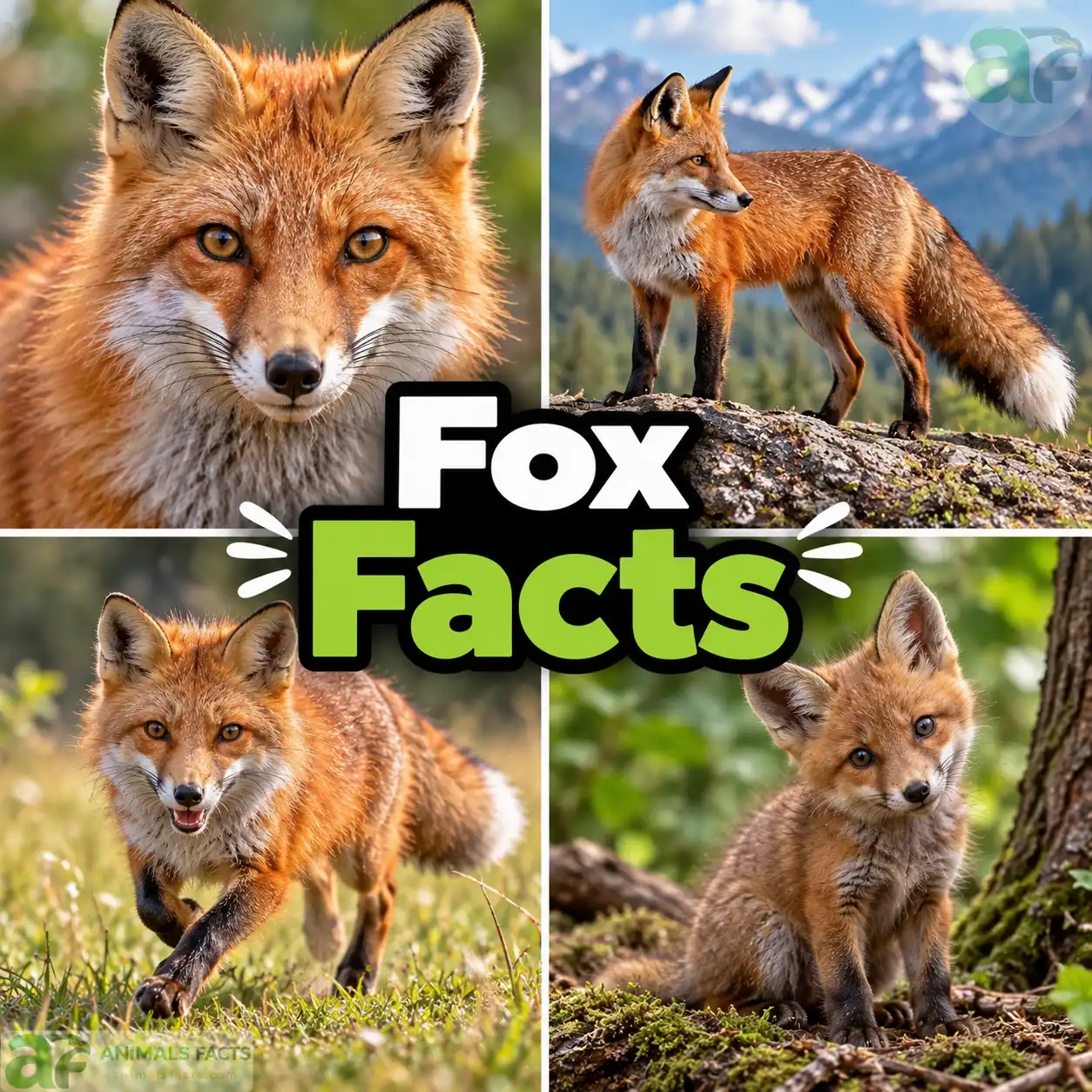
Fox Facts
| Feature | Details |
|---|---|
| Scientific Genus (True Foxes) | Vulpes |
| Kingdom | Animalia |
| Phylum | Chordata |
| Class | Mammalia |
| Order | Carnivora |
| Family | Canidae |
| Total True Fox Species (Vulpes) | 12 species |
| Total “Fox” Species (all genera) | Approximately 27 species (including South American foxes, Gray Fox, etc.) |
| Most Widespread Species | Red Fox (Vulpes vulpes) — the most geographically widespread wild carnivore on Earth |
| Smallest Fox | Fennec Fox (Vulpes zerda) — as small as 0.68 kg and 24 cm at the shoulder |
| Largest Fox | Red Fox — up to 14 kg and 90 cm body length |
| Lifespan | 2–5 years in the wild; up to 14 years in captivity |
| Diet | Omnivores — rodents, rabbits, birds, insects, fruit, berries, carrion |
| Top Speed | Up to 72 km/h (45 mph) — Red Fox over short sprints |
| Conservation Status (Red Fox) | Least Concern (IUCN); several island species Critically Endangered |
| Global Red Fox Population | Estimated ~9.8 million mature individuals in Europe alone; tens of millions worldwide |
| Habitat | Every continent except Antarctica; forests, deserts, arctic tundra, cities, farmland |
 1. Introduction: What is a Fox?
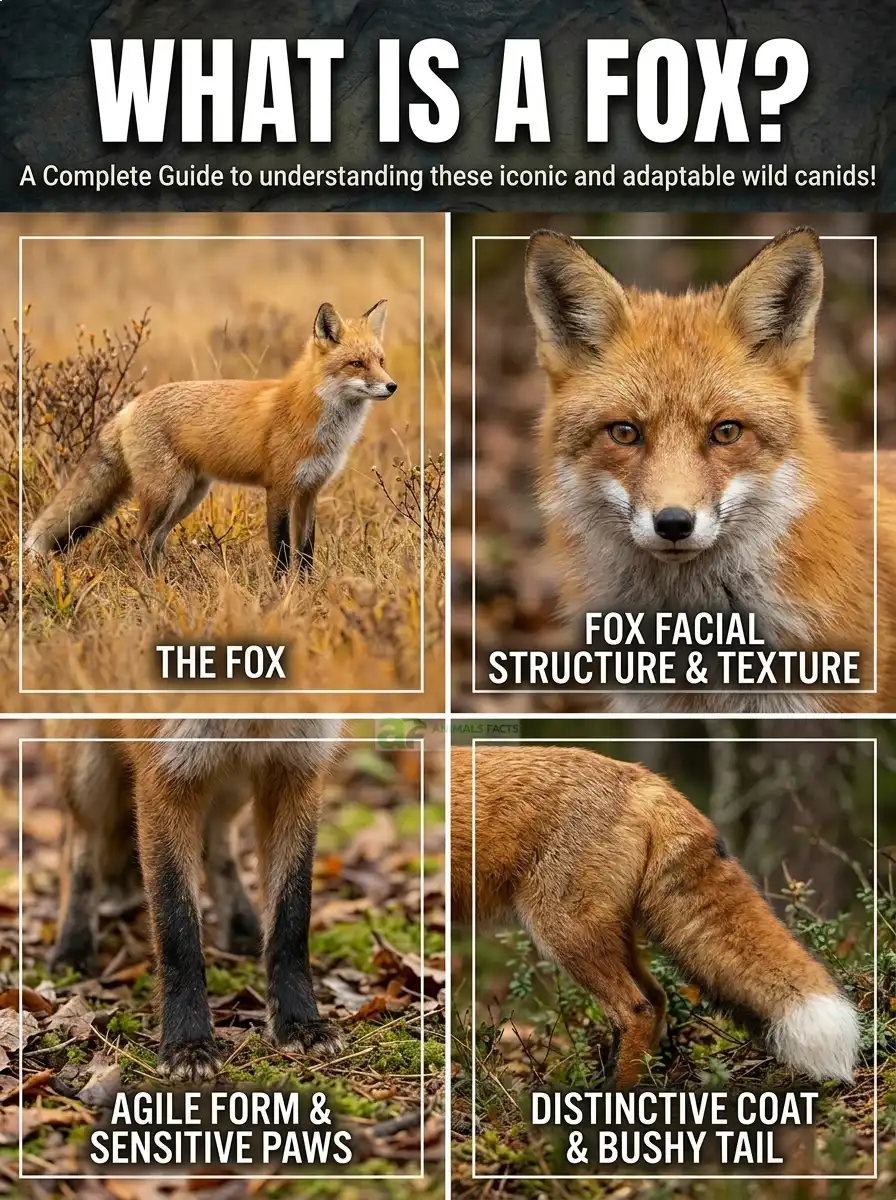
They are the great survivors of the wild world — equally at home sprinting across Arctic tundra, stalking prey in the Amazon’s margins, curling up in a suburban garden, or navigating the labyrinthine heat-shimmers of the Sahara. Fox facts reveal an animal of extraordinary adaptability, unexpected intelligence, and a behavioral complexity that has both fascinated and frustrated humans across thousands of years of shared history. No other carnivore group has managed to thrive in the conditions that foxes inhabit — from -50°C Arctic winters to +40°C desert days — while remaining consistently among the most studied and most misunderstood animals on the planet.
The name “fox” covers a remarkably diverse group of canids — from the genuinely tiny Fennec Fox of the Sahara, weighing less than a kilogram and sporting ears larger than its head, to the Red Fox (Vulpes vulpes), the most geographically widespread wild carnivore on Earth, found across North America, Europe, Asia, North Africa, and Australia (where it was introduced). Across 27 species spanning four continents, foxes have evolved specialized adaptations for every major terrestrial environment — extraordinary ears for desert heat dissipation, thick double coats for Arctic cold, magnetic navigation for night hunting, and urban problem-solving capabilities that rival some primate species.
Whether you are searching for fox facts for a school project, planning a wildlife photography expedition, curious about the fox that visits your garden at night, or simply fascinated by one of nature’s most charismatic and clever predators — this is the most comprehensive guide to fox facts you will find anywhere. We cover fox habitat, fox diet, fox behavior, communication, reproduction, conservation, folklore, and the extraordinary diversity of a group of animals that has conquered more of Earth’s environments than almost any other land carnivore. Let us begin.
2. Fox Species Overview & Classification
Foxes belong to the family Canidae — the same family as wolves, dogs, coyotes, and jackals — but represent a distinct ecological and evolutionary grouping characterized by smaller body size, more omnivorous diets, predominantly solitary hunting behavior, and a notably more flexible relationship with human-modified environments than their larger relatives.
What Defines a Fox?
While “fox” is an informal grouping rather than a strict taxonomic category, most animals commonly called foxes share these characteristics:
- Smaller than wolves and most large canids: Most fox species weigh under 7 kg, with even the largest (Red Fox) rarely exceeding 14 kg
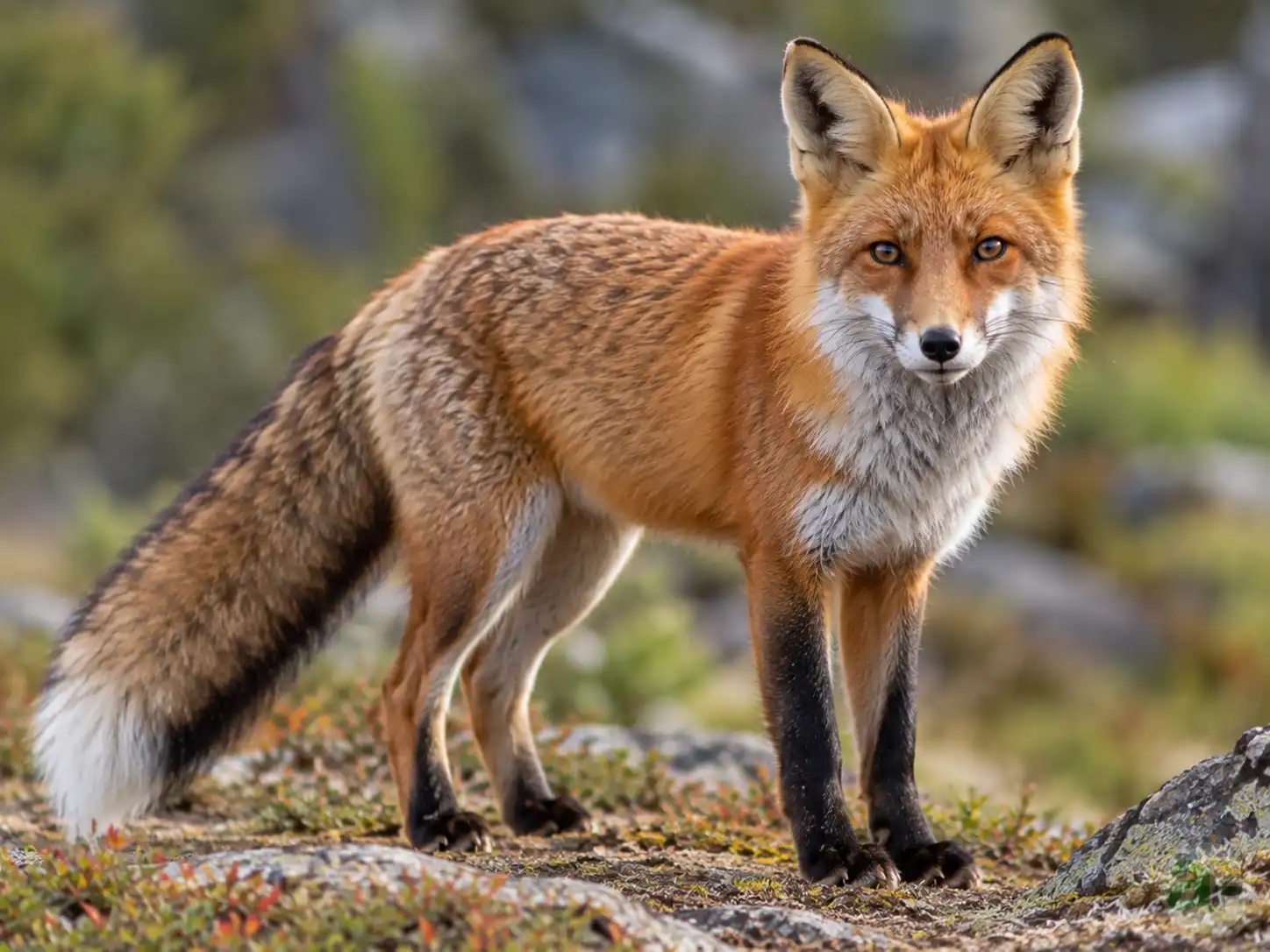
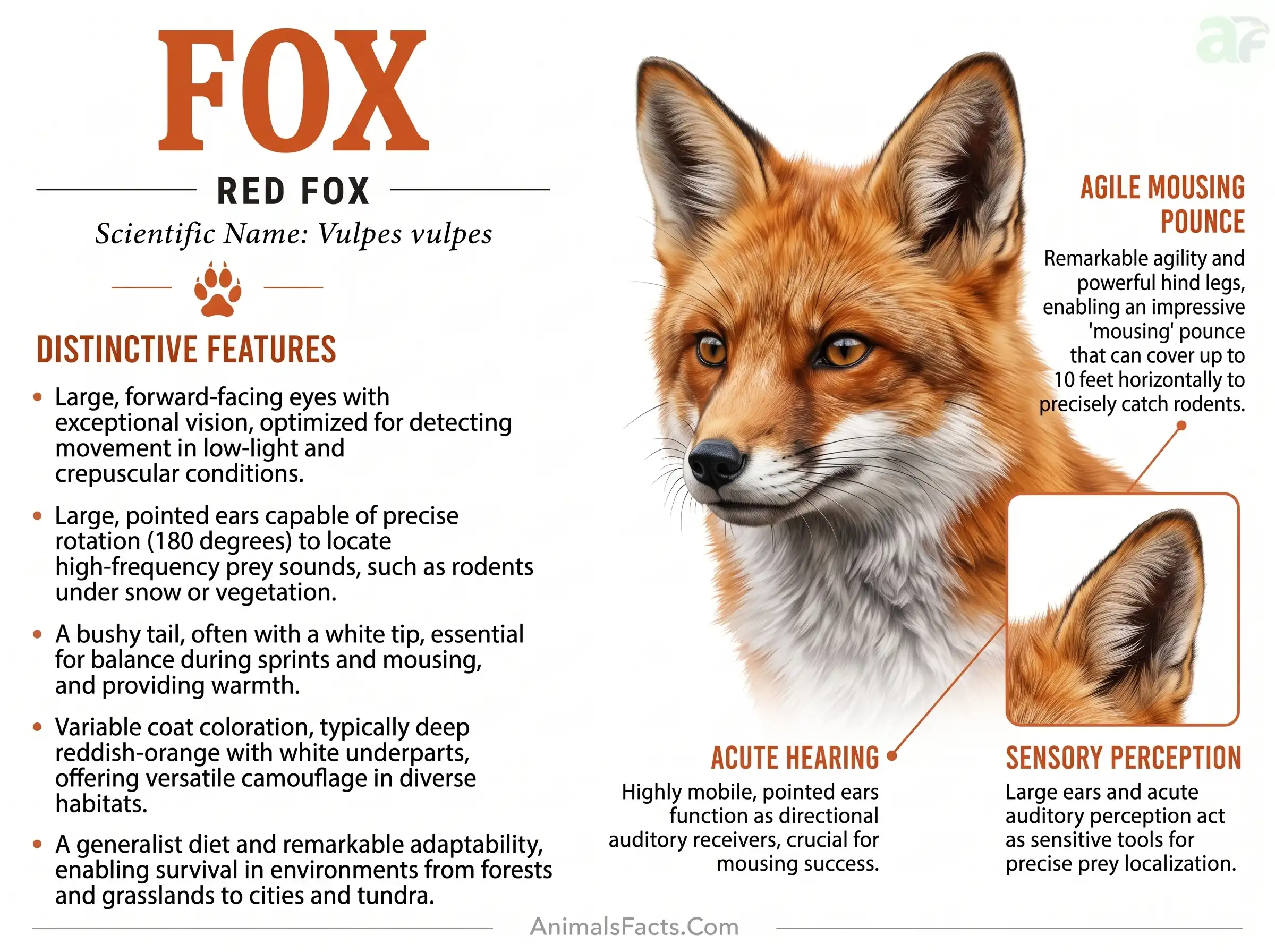
- Long, bushy tail (brush): The fox’s distinctive bushy tail serves multiple functions — balance, communication, and thermoregulation (wrapping around the body during sleep in cold conditions)
- Pointed muzzle and large, erect ears: Adaptations for detecting and locating prey by sound
- Primarily solitary hunters: Unlike wolves and African Wild Dogs, most fox species hunt alone rather than cooperatively
- Omnivorous, flexible diet: Most fox species consume a much broader range of food types than strictly carnivorous large canids
- Partially retractable claws: Uniquely among canids, some fox species (particularly the Gray Fox) have semi-retractable claws that enable tree climbing
True Fox Species Classification Table (Genus Vulpes)
| Species | Scientific Name | Range | Notable Feature |
|---|---|---|---|
| Red Fox | Vulpes vulpes | Global (broadest range) | Most widespread wild carnivore on Earth |
| Arctic Fox | Vulpes lagopus | Arctic Circle (circumpolar) | Seasonal color-changing coat |
| Fennec Fox | Vulpes zerda | Sahara Desert, North Africa | Largest ears relative to body size of any canid |
| Kit Fox | Vulpes macrotis | Southwest USA, Mexico | Desert-adapted; large ears |
| Swift Fox | Vulpes velox | Great Plains, North America | Fastest fox relative to body size |
| Corsac Fox | Vulpes corsac | Central Asia steppes | Extremely cold-hardy |
| Tibetan Sand Fox | Vulpes ferrilata | Tibetan Plateau | Famous “judging stare” expression |
| Pale Fox | Vulpes pallida | Sahel region, Africa | Least-studied fox species |
| Rüppell’s Fox | Vulpes rueppellii | North Africa, Middle East | Sandy coat; desert specialist |
| Bengal Fox | Vulpes bengalensis | Indian subcontinent | India’s only endemic fox |
| Cape Fox | Vulpes chama | Southern Africa | Only true fox in sub-Saharan Africa |
| Blanford’s Fox | Vulpes cana | Middle East, Central Asia | Semi-retractable claws; cliff-dwelling |
Species Evolution & Discovery Timeline
~12 million years ago: The earliest ancestors of the genus Vulpes diverged from the broader canid lineage during the Miocene Epoch, initially in North America before spreading across Eurasia and Africa via ancient land connections.
~6–5 million years ago: The lineage leading to the modern Red Fox (Vulpes vulpes) began to differentiate from related species during the late Miocene.
~2 million years ago: During the Pleistocene Ice Ages, expanding glaciations isolated different fox populations, driving rapid speciation and the divergence of the Arctic Fox lineage as an adaptation to cold-climate environments.
~500,000 years ago: The Red Fox reached its modern form, having evolved a remarkably adaptable generalist physiology that would eventually allow it to colonize virtually every major terrestrial biome on Earth.
1758: Carl Linnaeus formally described the Red Fox as Vulpes vulpes in Systema Naturae, establishing the scientific classification used to this day.
1868: The Fennec Fox was formally described by the German naturalist Georg August Goldfuss, providing the first scientific documentation of the smallest fox species.
1850s–1880s: Red Foxes were deliberately introduced to Australia by European settlers for sport hunting, establishing feral populations that subsequently spread across most of the continent and became one of the most serious invasive species threats to Australian native wildlife ever recorded.
1959: Soviet geneticist Dmitri Belyaev began the famous Russian Fox Domestication Experiment in Novosibirsk, selectively breeding Silver Foxes for tameness — producing within decades a population of genuinely domesticated foxes with dog-like behavioral and even physical traits, providing extraordinary insight into the domestication process.
2016–2020s: New molecular research identified additional cryptic fox species and clarified evolutionary relationships within the genus Vulpes, with the Tibetan Sand Fox and Blanford’s Fox recognized as particularly evolutionarily distinct lineages.
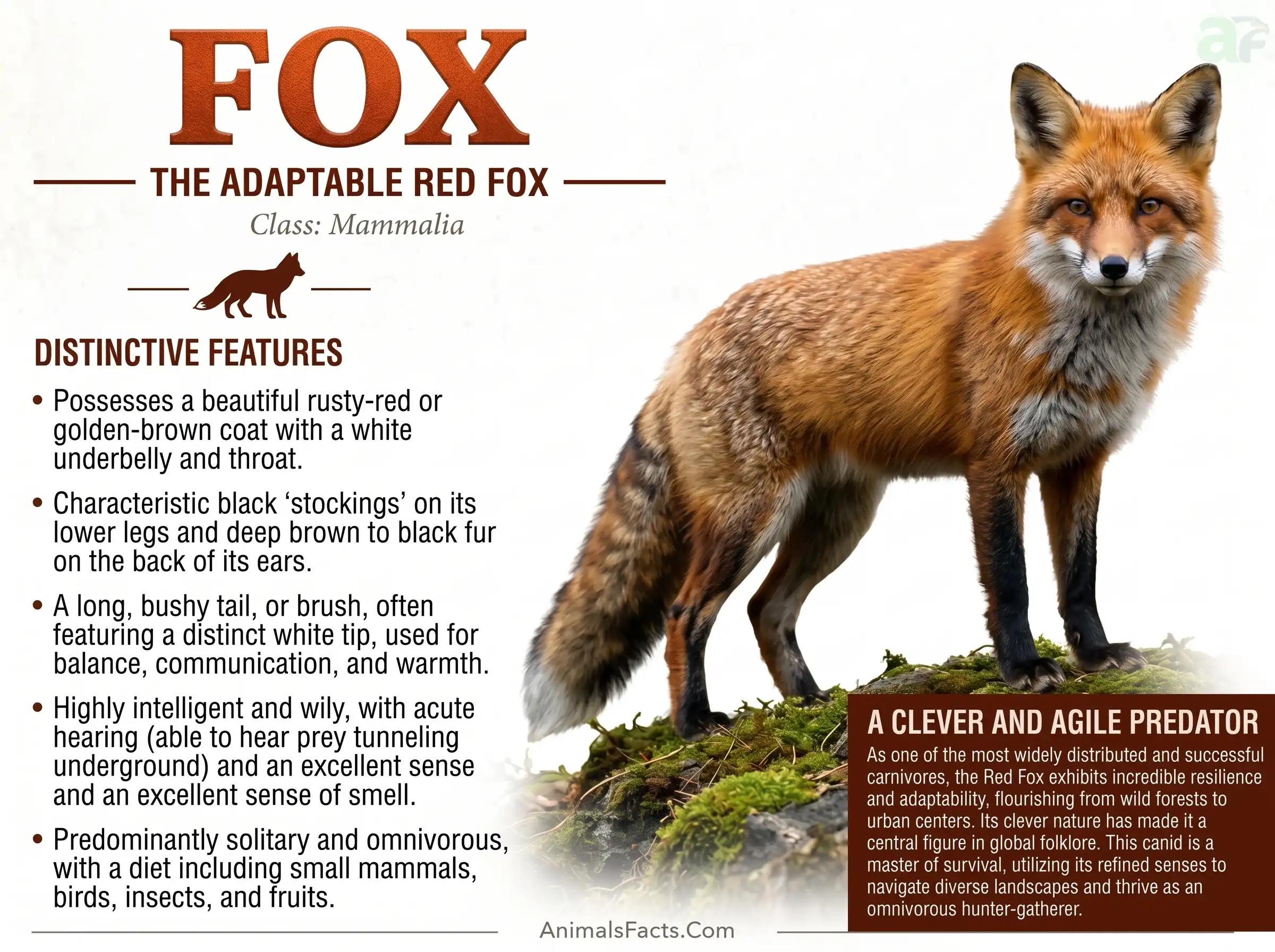
3. Fox Physical Description & Unique Features
The 27 fox species display extraordinary physical diversity — a reflection of their successful adaptation to habitats as different as the world’s coldest Arctic tundra and its hottest desert, urban streets and remote oceanic islands.
Size Extremes
Smallest fox: The Fennec Fox (Vulpes zerda) of the Sahara Desert — adult Fennec Foxes typically weigh just 0.68–1.6 kg, with a body length of 24–41 cm (excluding the tail). Despite being the world’s smallest fox, the Fennec Fox possesses ears that can reach 15 cm in length — the largest ears relative to body size of any canid species on Earth.
Largest fox: The Red Fox (Vulpes vulpes) is the largest true fox species — large males in northern latitudes can reach 14 kg in weight and 90 cm in body length (excluding tail). The tail (brush) adds a further 30–55 cm, meaning a large male Red Fox’s total length can approach 1.5 meters.
The Arctic Fox’s Remarkable Coat
The Arctic Fox possesses one of the most remarkable fur coats of any mammal on Earth — a dense, multi-layered insulating coat so effective that these animals can comfortably tolerate temperatures as low as -70°C without shivering, and do not begin to noticeably increase their metabolic rate until temperatures drop below approximately -20°C. More remarkably, Arctic Foxes are the only canid species that changes coat color seasonally — their white winter coat provides camouflage against snow and ice, while their brown/grey summer coat blends with exposed tundra vegetation, with the transition occurring twice per year through molting.
The Fennec Fox’s Desert Adaptations
The Fennec Fox represents one of the most extreme physical adaptations to desert life of any mammal — its enormous ears are laced with blood vessels positioned close to the skin surface, allowing the rapid dissipation of body heat by convection, functioning as natural radiators in the extreme Saharan heat. Additionally, the Fennec Fox’s kidney structure is highly modified to minimize water loss, allowing it to survive without drinking free water by extracting moisture from its food — one of only a handful of mammals capable of this degree of metabolic water conservation.
Fox Eyes and the Slit Pupil
Most fox species possess vertically slit pupils — a feature they share with cats and several other predators, but unusual among canids (most of which have round pupils). The vertical slit pupil allows for an exceptional range of pupil dilation — from a wide-open aperture in darkness to a narrow slit in bright light — providing foxes with superior low-light vision that complements their primarily crepuscular and nocturnal activity patterns.
Did You Know? The Red Fox has been documented using the Earth’s magnetic field to hunt prey hidden under snow — a behavior called magnetic alignment during predatory pouncing. Research published in the journal Biology Letters demonstrated that foxes pounce most successfully when facing northeast, suggesting they use geomagnetic field cues to judge distance and angle to prey they can hear but not see beneath the snow — one of the most remarkable demonstrations of magnetic sense in any mammal.
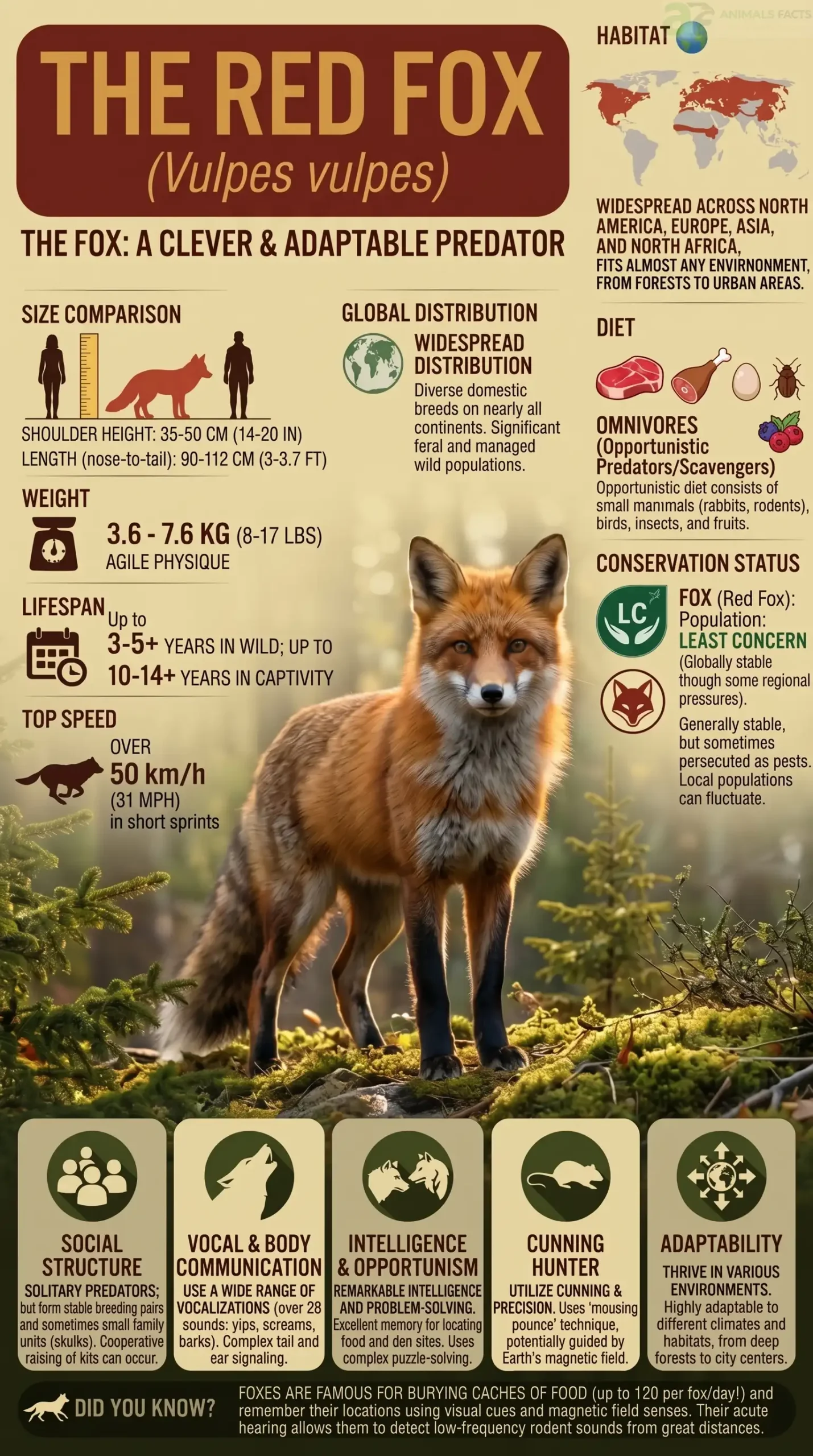
4. Top 25 Surprising & Interesting Fox Facts
- The Red Fox (Vulpes vulpes) is the most geographically widespread wild carnivore on Earth — inhabiting every continent except Antarctica, including every major climate zone from Arctic tundra to tropical margins.
- Foxes are the only canids known to retract their claws like cats — a feature found most pronounced in the Gray Fox (Urocyon cinereoargenteus), which can climb trees using this ability.
- The famous Russian Fox Domestication Experiment, begun by Dmitri Belyaev in 1959 with Silver Foxes, demonstrated that selecting purely for tameness produced not only behavioral changes but physical ones — including floppy ears, curled tails, spotted coats, and shortened muzzles — within just 10–15 generations, paralleling dog domestication.
- Arctic Foxes can survive temperatures as low as -70°C without increasing their metabolic rate — the most cold-tolerant land mammal known relative to body size.
- A male fox is called a “dog fox” or “reynard,” a female is a “vixen,” and a group of foxes is called a “skulk” or “leash.”
- The Fennec Fox is the smallest canid species on Earth — weighing less than many domestic cats — yet possesses the largest ears relative to body size of any canid, reaching up to 15 centimeters.
- Foxes are documented to cache (bury) food for later consumption with extraordinary precision — they remember the locations of hundreds of individual food caches and can relocate them months later, even under deep snow cover.
- The Tibetan Sand Fox has become a viral internet celebrity for its seemingly permanently “unimpressed” or “judging” facial expression, caused by the unusually square shape of its face and flat-set eyes — a physical trait unique among fox species.
- Red Foxes produce an extraordinary range of vocalizations — up to 28 distinct sounds have been documented, including the famous blood-curdling “vixen scream,” which sounds alarmingly like a human woman screaming and frequently alarms urban residents hearing it for the first time.
- The Gray Fox (Urocyon cinereoargenteus) of North America is the only canid — and one of very few non-feline carnivores — capable of climbing trees, using its semi-retractable claws to scale vertical trunks and escape predators or access bird nests.
- Fox cubs are born with blue eyes that change to amber or yellow as they mature — a color change similar to that seen in wolf cubs.
- Foxes have been documented navigating mazes, solving multi-step puzzles, and remembering specific human faces in research settings — demonstrating problem-solving abilities that exceed those of domestic dogs in some experimental contexts.
- The Island Fox (Urocyon littoralis) of California’s Channel Islands underwent one of the fastest and most dramatic near-extinctions and subsequent recoveries of any mammal — driven to fewer than 100 individuals on some islands by introduced disease and golden eagle predation in the 1990s before recovering to over 5,000 through intensive intervention.
- Foxes have whiskers on their legs as well as on their faces — sensory vibrissae scattered across the limbs that help them navigate tight spaces and detect tactile information about their environment in the dark.
- The Arctic Fox follows Polar Bears on the sea ice to scavenge seal carcasses left by bear kills — one of the most dramatic interspecies scavenging relationships documented in Arctic ecosystems.
- Urban Red Foxes in cities like London, Bristol, and Chicago display measurably different behavioral patterns from their rural counterparts — including reduced flight distance from humans, altered activity timing, and distinctive dietary composition reflecting urban food availability.
- Foxes mark their territories with a distinctive, musky-scented urine that is among the most chemically complex territorial scent secretions studied in any carnivore — containing dozens of distinct volatile compounds that convey information about individual identity, sex, reproductive status, and health.
- The Bat-eared Fox (Otocyon megalotis) of eastern and southern Africa is unique among foxes — it feeds primarily on termites and other insects, detected by its extraordinary large ears that can detect the sound of termites chewing underground, and has 46–50 teeth (the most of any terrestrial non-marsupial mammal).
- Foxes display genuine play behavior well into adulthood — wild adult foxes have been documented engaging in extended play sessions with objects, with each other, and, in urban contexts, with domestic dogs and even with humans who approach them calmly.
- The Red Fox was introduced to Australia between 1855 and 1870 for recreational hunting and has since spread across approximately 75% of the continent, becoming one of the primary drivers of extinction for dozens of native Australian mammal and bird species — one of the most damaging invasive species introductions in world history.
- A fox’s tail (brush) serves as a communication tool, a thermal insulator during sleep (foxes curl their bushy tail around their body like a blanket), and a counterbalance during high-speed pursuit and direction changes.
- The Swift Fox (Vulpes velox) — named for its remarkable agility — can sustain speeds of up to 60 km/h over short distances despite weighing only 1.6–3 kg, making it one of the fastest small mammals on Earth relative to body size.
- Corsac Foxes of the Central Asian steppe can go extended periods without drinking water, obtaining moisture entirely from their food — a rare adaptation among non-desert canids that allows them to survive the extreme arid conditions of their winter steppe habitat.
- Foxes raise their ears independently — each ear can be rotated up to 150 degrees independently of the other, allowing them to precisely triangulate the direction and distance of sounds while their eyes remain focused elsewhere.
- Some Red Fox populations have developed melanic color morphs — including the famous “cross fox” (with a dark cross pattern across the shoulders) and the near-black “silver fox” — naturally occurring color variants that were historically prized in the fur trade and continue to appear in wild populations across their range.
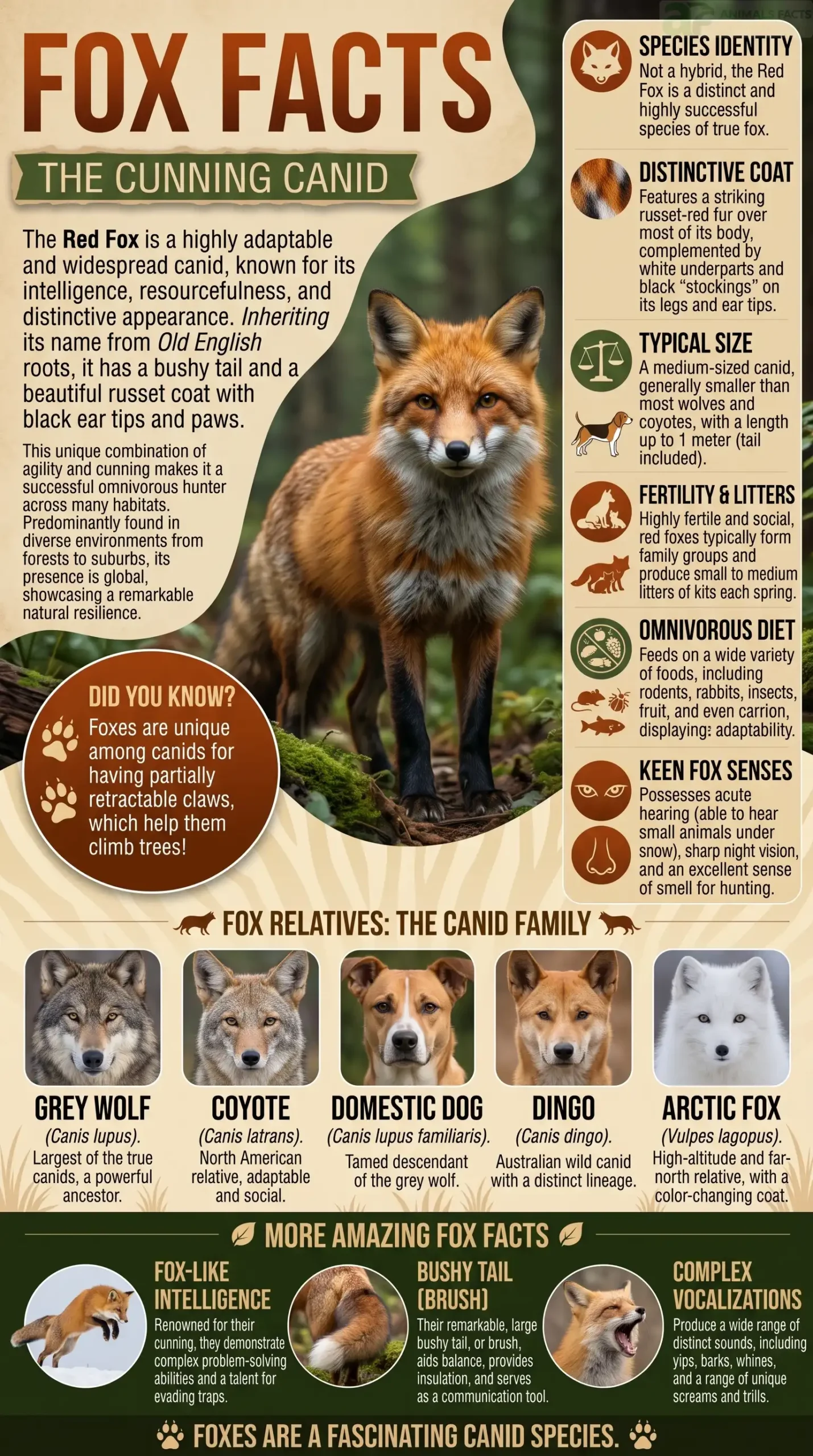
5. Fun Facts About Foxes
- The Red Fox is the most widespread wild carnivore on Earth — found across more terrain than any other.
- Fennec Foxes can hear prey moving underground from several meters away using their enormous ears.
- The Gray Fox is one of the only canids that can climb trees.
- A group of foxes is called a skulk or a leash.
- Foxes can remember the locations of hundreds of buried food caches months later.
- The Arctic Fox changes coat color twice per year — white in winter, brown or grey in summer.
- Urban foxes in London have been living alongside humans for over 150 years.
- Fox cubs are born with blue eyes that change to golden-yellow as they grow up.
- The famous Russian Fox Domestication Experiment created domesticated foxes with floppy ears and spotted coats in just 10–15 generations.
- Foxes are primarily crepuscular — most active at dawn and dusk.
- The Bat-eared Fox has up to 50 teeth — the most of any non-marsupial land mammal.
- A fox’s tail is nearly as long as its body in many species.
- Foxes have been documented engaging in extended play with objects and other animals well into adulthood.
6. Fox Habitat & Geographic Range
Foxes collectively inhabit a more diverse range of environments than perhaps any other single mammal genus — a testament to the extraordinary evolutionary flexibility of the Vulpes lineage and related fox genera.
Red Fox — The Global Generalist
The Red Fox (Vulpes vulpes) achieves the most remarkable geographic range of any fox species — and indeed of any wild carnivore — inhabiting environments ranging from tundra in northern Canada and Russia, through temperate forests, grasslands, and farmland across Europe and Asia, to deserts in North Africa and the Middle East, montane ecosystems across the Himalayas and Rocky Mountains, and even dense urban environments in cities across all its native and introduced range countries.
Arctic Environments
The Arctic Fox (Vulpes lagopus) is uniquely adapted to circumpolar Arctic ecosystems — inhabiting the tundra landscapes of northern Canada, Alaska, northern Russia, Scandinavia, Iceland, and Greenland, as well as following the sea ice edge in pursuit of seal carcasses during winter months. In years of low prey abundance, Arctic Foxes have been documented dispersing extraordinary distances across the sea ice — one individual tracked by researchers traveled over 4,500 kilometers in a single dispersal event from Norway’s Svalbard archipelago to Canada.
Desert Environments
The Fennec Fox, Rüppell’s Fox, Pale Fox, and Blanford’s Fox all inhabit desert and semi-arid environments across North Africa, the Middle East, and Central Asia — demonstrating that the fox body plan is equally amenable to extreme heat adaptation as to extreme cold adaptation.
Urban Environments
The Red Fox has become one of the world’s most successful urban wildlife species — dense populations of Red Foxes now inhabit virtually every major city across Britain, with an estimated 150,000–250,000 urban foxes in the UK alone. Urban fox populations have also established in cities across mainland Europe, Australia, and increasingly in North American cities.
Habitat Range by Continent
| Continent | Notable Fox Species | Approximate Species Count |
|---|---|---|
| Europe | Red Fox | 1 native true fox |
| Asia | Red Fox, Corsac Fox, Tibetan Sand Fox, Bengal Fox, Blanford’s Fox, Rüppell’s Fox | 6+ |
| North America | Red Fox, Arctic Fox, Kit Fox, Swift Fox, Gray Fox | 5 |
| South America | South American foxes (Cerdocyon, Lycalopex genera — 6 species) | 6 |
| Africa | Cape Fox, Fennec Fox, Rüppell’s Fox, Pale Fox, Bat-eared Fox | 5 |
| Australia | Red Fox (introduced) | 1 (invasive) |
| Antarctica | None | 0 |
Did You Know? The Arctic Fox population on Iceland represents a remarkable case of island biogeography — these foxes colonized Iceland before humans arrived, walking across sea ice from the mainland approximately 11,000–12,000 years ago as Iceland became habitable following the last Ice Age. They are the only native land mammal in Iceland, having predated human arrival by thousands of years, making them one of the world’s most dramatically isolated large mammal island populations.
7. Fox Diet & Feeding Behavior
Foxes are among the most ecologically flexible predators on Earth — classified as omnivores whose dietary composition shifts remarkably in response to seasonal availability, geographic location, and individual learning.
What Foxes Eat
Unlike the strictly carnivorous wolves or the highly specialized diets of many desert-adapted carnivores, foxes are dietary generalists par excellence. The Red Fox, in particular, has been documented consuming over 300 distinct food items across its global range — a dietary breadth that rivals or exceeds that of many omnivorous primates and represents one of the primary explanations for its extraordinary geographic success.
Diet Breakdown Table
| Food Type | Approximate Percentage | Notes |
|---|---|---|
| Small mammals (voles, mice, rabbits, squirrels) | 35–55% | Primary prey for most fox species |
| Birds and bird eggs | 10–20% | Significant during nesting season |
| Insects and invertebrates | 10–25% | Important in summer; dominant for Bat-eared Fox |
| Fruit and berries | 10–20% | Critical autumn food source for Red Fox |
| Earthworms | 5–15% | Surprisingly important; Red Foxes can consume hundreds per night |
| Carrion | 5–10% | Particularly important in winter |
| Amphibians and reptiles | 1–5% | Opportunistic; varies by region |
| Urban food waste (urban foxes) | 5–30% | Major component of urban fox diet |
Specialized Hunting Techniques
The Mouse Pounce: The most celebrated fox hunting technique — used primarily for catching small rodents under grass or snow. The fox listens with extraordinary precision to detect the movement of a mouse beneath the surface, orients itself using a combination of hearing and (research suggests) magnetic field sense, then leaps high into the air and plunges nose-first into the snow or vegetation at a precise angle, pinning the mouse with both forepaws.
Earthworm foraging: A surprisingly important feeding strategy, particularly after rain when earthworms emerge to the surface. Foxes have been documented walking slowly across lawns and fields in the rain, casually collecting earthworms — behavior that looks almost comically undignified for an animal of such celebrated cunning.
Cache burial: Foxes regularly bury surplus food in dozens of small caches distributed across their territory — returning to recover these stores days, weeks, or even months later with remarkable accuracy.
Did You Know? Research conducted at the University of Oxford Wildlife Conservation Research Unit documented that urban Red Foxes in London consume, on average, a diet consisting of approximately 40% food of human origin — including deliberate food put out by residents, scavenged waste, and accidentally lost food — significantly different from their rural counterparts, and demonstrating how rapidly fox dietary behavior adapts to urban food availability within just a few generations.
8. Fox Reproduction & Life Cycle
Fox reproductive biology reflects their relatively short lifespans and the high predation pressure they face — fox species in general reproduce earlier, have larger litters, and reach adult size faster than larger canids, reflecting evolutionary optimization for rapid population recovery.
Mating Season
For most temperate and arctic fox species, mating occurs during a distinct winter season — December through February for Red Foxes in the Northern Hemisphere — timed to ensure that cubs are born in spring when food availability begins to increase. During the brief mating season, foxes produce their characteristic and somewhat alarming vocalizations — the vixen’s scream and the male’s “wow-wow” contact call — which are among the most dramatic wildlife sounds heard in suburban environments across Britain and Europe.
Gestation and Birth
Gestation period: Approximately 49–55 days for the Red Fox; similar ranges in most other species.
Litter size: Typically 4–6 cubs (range: 1–12) for Red Foxes; somewhat smaller litters in desert species.
Birth condition: Fox cubs are born blind, deaf, and helpless, covered in short dark grey fur, and weighing approximately 50–150 grams depending on species. Their eyes open at approximately 11–14 days, and ear canals open at approximately the same time.
Growth and Development
| Stage | Age | Key Development |
|---|---|---|
| Neonatal | 0–2 weeks | Blind and deaf; entirely dependent on vixen |
| Transition | 2–4 weeks | Eyes and ears open; first explorations of den |
| Early Social | 4–8 weeks | Vigorous play; beginning solid food introduction |
| Weaning | 8–12 weeks | Transition to solid food complete; above-ground exploration |
| Juvenile | 3–6 months | Learning hunting skills; beginning to accompany parents |
| Dispersal | 6–12 months | Young foxes disperse from birth territory |
| Adult | 1 year+ | Sexually mature; may breed in first winter |
Fox Lifespan Comparison Table
| Species | Average Wild Lifespan | Record / Maximum |
|---|---|---|
| Red Fox | 3–5 years | 14–15 years (captivity) |
| Arctic Fox | 3–4 years | 16 years (captivity) |
| Fennec Fox | 10–12 years (captivity) | 14 years (captivity) |
| Kit Fox | 3–6 years | 12 years |
| Gray Fox | 6–8 years | 14 years |
| Coyote (comparison) | 6–8 years | 18 years (captivity) |
9. Social Behavior & Communication
Foxes occupy a fascinating middle ground in the spectrum of canid sociality — more flexible in their social arrangements than either the rigidly pack-oriented wolves or the truly solitary nature of some other small carnivores, with social structure varying significantly by species, population density, and food resource distribution.
Social Structure
Red Fox social flexibility: The classic portrayal of the fox as a solitary animal is an oversimplification of a genuinely complex and environmentally variable social system. While foxes hunt alone and defend individual territories, the basic Red Fox social unit consists of a dominant breeding pair and, in resource-rich environments, one or more “helper” females — typically daughters from previous litters who assist in cub-rearing without breeding themselves.
In urban environments with abundant food resources, Red Fox groups can be considerably larger and more socially complex — with multiple foxes sharing overlapping ranges and interacting frequently in relatively tolerant arrangements compared to typical rural pair territories.
Desert species: Most desert fox species, including the Fennec Fox, appear to live in small family groups of up to 10 individuals sharing a den system — a social arrangement that may reflect the benefits of cooperative territorial defense and pup care in the challenging and prey-sparse desert environment.
Bat-eared Fox: Unusually for a fox species, Bat-eared Foxes are genuinely socially monogamous, with pairs maintaining long-term bonds and males investing substantially in pup-rearing — the male Bat-eared Fox spends more time directly caring for pups than virtually any other male canid, including many wolf males.
Communication
Vocalizations: The Red Fox possesses one of the most extensive vocal repertoires of any small carnivore — up to 28 distinct vocalizations have been catalogued, including contact calls, alarm barks, submissive sounds, play calls, mating screams, and a range of intermediate sounds used in social interactions.
Scent communication: Foxes communicate through an extraordinarily complex chemical language — using urine, feces, and secretions from a range of scent glands (including foot glands, a supracaudal gland on the tail, and anal glands) to convey territorial claims, reproductive status, individual identity, and the time elapsed since the mark was deposited.
Body language: Fox body language mirrors that of other canids in many respects — tail position, ear orientation, body posture, and facial expression all communicate social information with remarkable subtlety and precision.
Did You Know? Research by the Sussex Wildlife Trust and partner organizations documented that urban Red Foxes in Britain have measurably smaller brains than their rural counterparts — a finding consistent with research in other domestication-adjacent species, where reduced predator pressure and reliable food availability are associated with reduced brain size over generations. This suggests that urban fox populations are, in a very slow and informal sense, undergoing the early stages of a self-selection process toward reduced fear responses and greater tolerance of human proximity.
10. Predators & Defense Mechanisms
Foxes, as mid-sized predators in most of the ecosystems they inhabit, face significant predation pressure from larger carnivores — and have evolved a combination of behavioral flexibility, sensory acuity, and speed to maximize survival in this dangerous middle ground.
Natural Predators
Wolves and coyotes: The most significant natural predators of foxes across most of their range, particularly through competitive exclusion and direct predation of cubs. In regions where wolf populations have recovered — as in parts of Yellowstone and the northern Rocky Mountains — Red Fox populations have measurably shifted their distribution, avoiding core wolf territories while utilizing the periphery.
Large birds of prey: Golden Eagles, Red-tailed Hawks, Great Horned Owls, and Eagle Owls are significant predators of fox cubs and, in some cases, adult small fox species. The decline of golden eagles on California’s Channel Islands following the collapse of DDT-using raptors and the subsequent recovery of golden eagle populations is directly linked to the near-extinction of the Channel Islands Fox.
Lynx and bobcats: Where ranges overlap, these medium-sized cats represent significant predation risk for foxes — an ecological relationship that partially explains the tendency of fox and lynx populations to show inverse density patterns in some northern forest ecosystems.
Humans: Road traffic represents one of the most significant causes of fox mortality in urban and suburban areas, with vehicle collisions accounting for a substantial proportion of adult Red Fox mortality in British cities. Foxes are also killed through deliberate pest control, fur trapping (in countries where fur farming and wild trapping remain practiced), and increasingly, persecution associated with urban fox-human conflict.
Defense Mechanisms
Speed and agility: The Red Fox’s burst speed of up to 72 km/h and extraordinary maneuverability during high-speed pursuit make direct predation by most ground predators extremely difficult for healthy adult foxes.
Cryptic behavior: Foxes rely heavily on camouflage and behavioral concealment, freezing when potential threats are detected and using cover extensively, particularly when moving with cubs.
Den system: Fox cubs spend their first weeks of life in concealed underground den systems that provide protection against most surface predators, with vixens selecting den sites specifically for concealment, drainage, and proximity to food sources.
The “playing dead” response: Some foxes, when caught or severely threatened, may briefly enter a state of behavioral immobility that occasionally causes predators to loosen their grip — creating an escape opportunity.
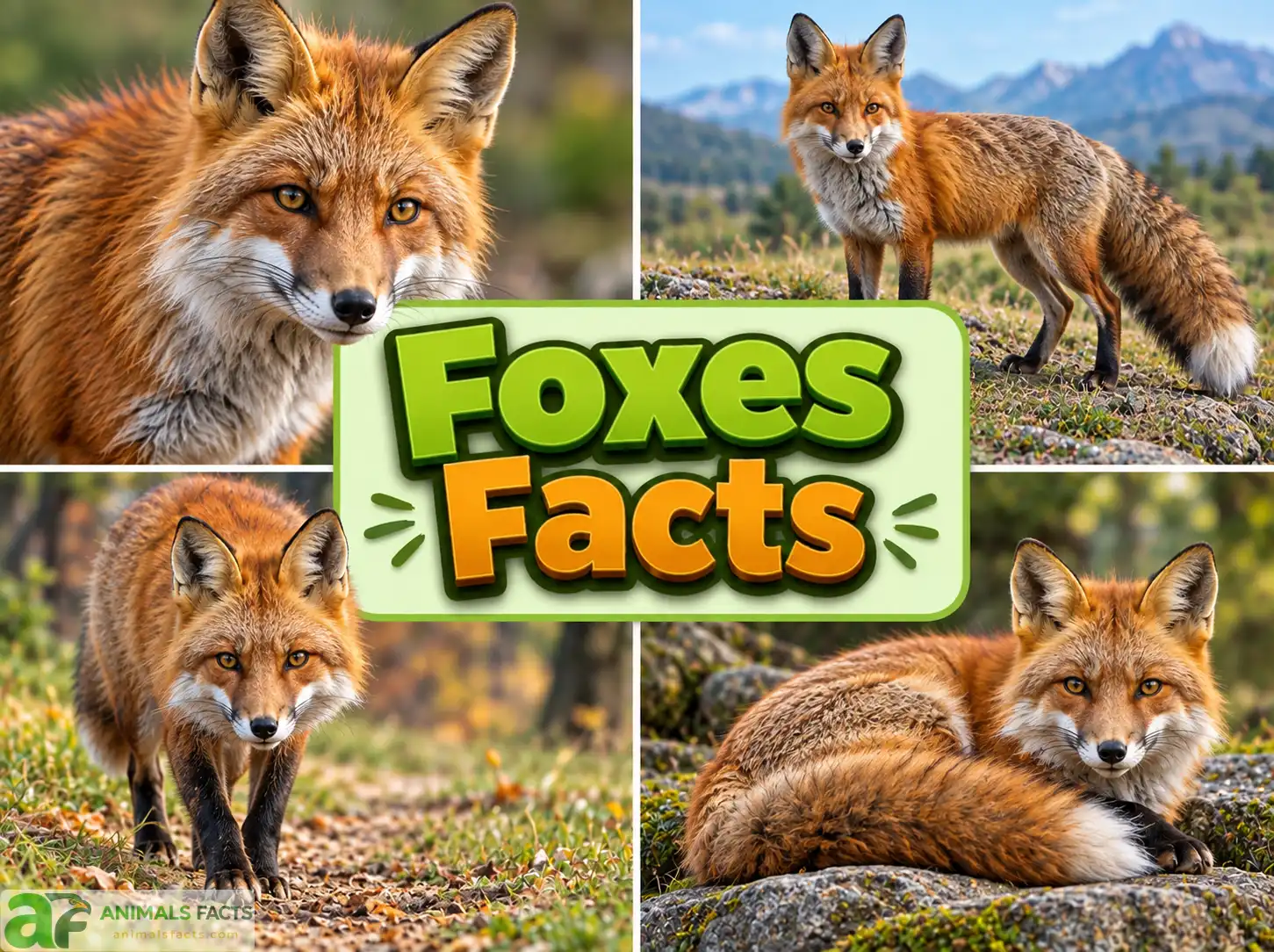
11. Fox Facts for Kids
Hey kids — get ready to discover why foxes are some of the most clever and fascinating animals in the world!
- There are 27 different kinds of foxes in the world — from the tiny Fennec Fox that fits in your lap to the much larger Red Fox you might spot in your garden or local park!
- Foxes have amazing ears that can move around on their own — each ear can swivel almost halfway around independently, like little satellite dishes listening in different directions at once!
- The Fennec Fox lives in the Sahara Desert and has ears almost as big as its head — those huge ears help it hear mice and beetles moving underground AND help it stay cool in the hot desert sun!
- Baby foxes are called cubs or kits, and they’re born with blue eyes that slowly change to golden-yellow as they get older — just like some human babies have blue eyes at birth!
- Foxes are amazing athletes — they can run as fast as 72 km/h, jump over fences taller than most adults, and the Gray Fox can even climb trees like a cat!
- Foxes hide their extra food by burying it in dozens of little hiding spots around their territory — and they can remember where they buried every single one, even months later and under deep snow!
- The Gray Fox is one of the only dogs in the world that can climb trees — it uses special claws that almost work like a cat’s to grip the bark and pull itself up!
- Foxes can talk! Well, not in human language — but they make over 28 different sounds, including barks, whines, screams, and a special call that sounds like someone screaming that sometimes scares people who hear it at night!
Did You Know? Foxes use the Earth’s magnetic field to help them hunt! Scientists discovered that when a Red Fox pounces on a mouse it can hear under the snow, it almost always jumps facing the same direction — northeast — because it’s using the planet’s invisible magnetic field like a built-in measuring tool to judge exactly how far away and how deep the mouse is before it jumps. It’s like having a superpower built into your body!
12. Relationship with Humans
The relationship between foxes and humans is ancient, global, contradictory, and evolving — encompassing millennia of persecution for fur and pest control, cultural reverence across dozens of traditions, direct observation and study through urban coexistence, and the extraordinary scientific insights generated by deliberate domestication experiments.
Foxes in History — Fur, Pest Control, and Sport
Historically, foxes have been hunted across virtually their entire range for three primary reasons: fur, pest control, and sport. The Red Fox’s pelt has been commercially valuable across Northern Hemisphere cultures for centuries, driving both wild trapping and eventually large-scale commercial fur farming in which foxes are the most widely farmed fur species globally. Pest control hunting has been justified by fox predation on poultry and, historically, on rabbits kept for meat production. Fox hunting as an aristocratic sport — particularly the highly organized mounted “fox hunting” tradition of Britain and Ireland, involving packs of hounds and large groups of riders — became one of the most politically controversial blood sports in British history before being effectively banned by the Hunting Act 2004.
Urban Foxes — The New Normal
The establishment of large, self-sustaining urban fox populations across British, European, and Australian cities represents one of the most significant recent developments in human-wildlife coexistence. London’s urban fox population, estimated at approximately 150,000 individuals, has coexisted with the city’s human population for over 150 years — developing measurably different behavioral patterns, dietary compositions, and even physical characteristics compared to rural foxes, and generating ongoing public debate between those who view urban foxes as charming wildlife and those who consider them a nuisance or public health concern.
The Russian Domestication Experiment
The Belyaev Fox Domestication Experiment, begun in 1959 at the Institute of Cytology and Genetics in Novosibirsk, Russia, remains one of the most extraordinary and scientifically consequential animal behavior experiments in history. By selecting Silver Foxes purely for behavioral tameness across successive generations — without selecting for any physical trait — researcher Dmitri Belyaev and his team produced, within just 10–15 generations, a population of foxes that actively sought human contact, wagged their tails in response to humans, and displayed the classic physical signs of domestication including floppy ears, curled tails, spotted coats, shorter muzzles, and earlier sexual maturity. The experiment demonstrated that the physical traits associated with animal domestication are genetically linked to behavioral tameness — a finding that transformed our understanding of the domestication process across all domestic species including dogs.
13. Fox Conservation Status & Threats
Fox conservation status varies dramatically across species — from the globally abundant Red Fox to critically threatened island endemics facing extinction within decades without sustained intervention.
Global Fox Conservation Data (2026)
| Species | IUCN Status | Population | Primary Threat |
|---|---|---|---|
| Red Fox | Least Concern | Tens of millions worldwide | Stable; locally hunted/persecuted |
| Arctic Fox | Least Concern (globally) | ~330,000 | Climate change; disease; competition with Red Fox |
| Fennec Fox | Least Concern | Unknown; declining | Trapping for pet trade; habitat loss |
| Island Fox | Near Threatened (recovering) | ~5,600 | Introduced disease; golden eagle predation (historical) |
| Darwin’s Fox | Endangered | ~900 | Habitat loss; disease from domestic dogs |
| Sechuran Fox | Near Threatened | Unknown | Habitat loss; persecution |
| Swift Fox | Least Concern (recovering) | ~350,000 | Historical extirpation; now recovering in Great Plains |
| Blanford’s Fox | Least Concern | Unknown | Trapping; habitat loss in parts of range |
| Bengal Fox | Least Concern | Unknown (declining) | Habitat loss; persecution; trade |
Major Threats
Invasive Red Foxes in Australia: The introduced Red Fox poses one of the greatest threats to native Australian wildlife of any introduced species — contributing to the extinction or near-extinction of dozens of native mammals, reptiles, and ground-nesting birds since its introduction in the 1850s. Native Australian species evolved in the absence of placental mammal predators and are extraordinarily vulnerable to fox predation.
Climate Change and the Arctic Fox: Arctic Foxes face a distinctive dual climate threat — warming tundra is shrinking their habitat, while climate change is simultaneously allowing the larger, more competitive Red Fox to expand northward into formerly Arctic-only territory, where Red Foxes competitively displace and occasionally kill Arctic Foxes.
The Pet Trade: Several small, attractive fox species — particularly the Fennec Fox — face significant pressure from capture for the international exotic pet trade, which is poorly regulated in many range countries and represents a significant and difficult-to-quantify mortality source.
Disease from Domestic Dogs: The Darwin’s Fox of Chile — one of the world’s rarest fox species — faces the same threat that devastates Ethiopian Wolf populations: disease, particularly rabies and canine distemper, transmitted by free-roaming domestic dogs in surrounding communities.
Did You Know? The recovery of the Island Fox (Urocyon littoralis) from near-extinction on California’s Channel Islands is considered one of the fastest and most successful endangered species recovery programs in US history. After populations collapsed to as few as 15 individuals on some islands in the 1990s, intensive management including captive breeding, golden eagle removal, bald eagle reintroduction, and island fox vaccination programs recovered populations to over 5,600 total individuals across all six island subspecies within just 15 years — a pace of recovery unprecedented for an island endemic mammal.
14. Famous Foxes
The Belyaev Domesticated Foxes — Science’s Most Famous Foxes
The Silver Fox colony developed by Dmitri Belyaev and subsequently Lyudmila Trut at the Institute of Cytology and Genetics in Novosibirsk, Russia, represents the most scientifically significant fox population in history. Over 60 years of continuous selection for tameness, descendants of the original experimental population have become genuinely domesticated — seeking human contact, responding to human voices and faces, displaying dog-like play behavior, and exhibiting the full range of physical domestication traits. Some descendants have been sold as exotic pets (under the Sibfox commercial program), and the colony continues to generate landmark scientific publications across genetics, behavioral biology, and evolutionary science.
The Vixen of Hampstead Heath — London’s Urban Fox Celebrity
While no individual urban fox has achieved globally recognized fame, urban fox watching has become a significant popular pastime across Britain, with numerous individual foxes achieving local celebrity through regular visits to domestic gardens and documented on social media. The Fox Project and National Fox Welfare Society in the UK maintain records of remarkable urban fox stories — including foxes that have formed tolerant relationships with domestic cats, dogs, and even individual garden-visiting humans over multiple years.
Fantastic Mr. Fox — Roald Dahl’s Immortal Creation
While fictional, Fantastic Mr. Fox — the protagonist of Roald Dahl’s 1970 children’s novel and the subsequent Wes Anderson film (2009) — has arguably done more than any other single cultural creation to shape contemporary Western attitudes toward foxes, presenting the archetypal clever, charming, morally complicated fox protagonist in a format that has reached hundreds of millions of readers and viewers worldwide.
Nick Wilde — Disney’s Modern Fox Icon
Nick Wilde, the Red Fox protagonist of Disney’s 2016 animated film “Zootopia” (released as “Zootropolis” in some markets), became one of the most culturally resonant animal characters in recent cinema — his arc from cynical con artist to genuinely committed public servant, complicated by the film’s exploration of systemic bias and prejudice through the lens of anthropomorphic predator-prey dynamics, generated significant cultural discussion well beyond typical animated film reception.
15. Role in Ecosystem & Food Chain
Foxes occupy a genuinely important ecological position as mesopredators (medium-level predators) — animals that significantly regulate the populations of their prey while themselves being regulated by larger predators, creating complex cascading ecological effects that extend far beyond simple predator-prey dynamics.
Rodent Control
The most widely appreciated ecological service provided by foxes is rodent population control. A single Red Fox family territory can contain several breeding adults consuming thousands of rodents — voles, mice, and rats — annually, providing significant natural pest management services to agricultural and grassland ecosystems. Research in British farmland has consistently demonstrated that farm areas supporting healthy fox populations sustain lower vole and rabbit densities, with measurable reductions in crop damage, compared to areas where fox populations have been reduced through control measures.
Seed Dispersal
Foxes contribute meaningfully to plant seed dispersal through their consumption of berries and fruit — particularly important in late summer and autumn when berries constitute a significant dietary component. The seeds pass through the fox’s digestive system and are deposited, along with fertilizing feces, across the fox’s territory, contributing to the regeneration and diversity of plant communities.
The Mesopredator Release Effect
One of the most significant ecological effects of fox populations — and one that has generated substantial research — is the suppression of smaller predators in areas where foxes are abundant. Foxes actively suppress populations of stoats, weasels, rats, and crows within their territories through direct predation and behavioral interference. In regions where foxes have been removed through control programs, these smaller predators often increase dramatically in density — a phenomenon called “mesopredator release” that can have severe negative consequences for ground-nesting birds and small mammals that the smaller predators prey upon.
Invasive Fox Ecological Impact (Australia)
In contrast to their positive ecological roles in their native range, introduced Red Foxes in Australia represent one of the most severe cases of invasive predator ecological damage ever documented. By preying on native mammals and birds that evolved without placental predators, Australian foxes have contributed to the extinction or severe decline of over 20 native mammal species, fundamentally altering Australian terrestrial ecosystem structure across vast areas of the continent.
16. Myths, Folklore & Cultural Significance
Few animals in the natural world have generated a more globally rich, more culturally consistent, and more symbolically loaded body of mythology and folklore than the fox. Across cultures spanning thousands of years and every inhabited continent, the fox consistently emerges as the archetype of cunning, intelligence, trickery, and supernatural power — a symbolic position reflecting genuine observation of fox behavioral sophistication.
Japanese Folklore — The Kitsune
The Kitsune — the supernatural fox of Japanese mythology — represents one of the most fully developed and culturally significant fox traditions in the world. In Japanese tradition, foxes are intelligent beings that gain supernatural powers and additional tails as they age — a nine-tailed fox (Kūko) represents the pinnacle of fox supernatural power, capable of shapeshifting, possessing humans, and serving as divine messengers of the Shinto deity Inari (god of rice, fertility, and industry). Thousands of Inari shrines across Japan maintain fox statues as divine guardians, and the Kitsune tradition continues to influence Japanese art, literature, anime, and popular culture to the present day.
Chinese and Korean Traditions
The Chinese Huli jing and Korean Gumiho share significant similarities with the Japanese Kitsune — supernatural fox beings capable of shapeshifting, typically depicted as beautiful women capable of seducing men and draining their life force. Unlike the Japanese Kitsune, which can be either benevolent or malevolent, the Chinese and Korean fox spirits are more consistently presented as morally dangerous — a difference some scholars attribute to different historical relationships between humans and fox populations in the respective cultures.
Aesop’s Fables — The Western Fox Tradition
In the Western folkloric tradition, the fox’s primary cultural role is established through Aesop’s Fables — particularly “The Fox and the Grapes” (the origin of the phrase “sour grapes”), “The Fox and the Crow,” and numerous other stories in which the fox consistently embodies clever self-interest, rationalization, and the ability to manipulate through apparent reason. This tradition of the fox as a clever, morally flexible trickster — neither villain nor hero but an opportunistic pragmatist — persists through European literature from medieval animal epics (Roman de Renart) through Shakespeare to contemporary fiction.
Native American Trickster Traditions
In numerous Indigenous North American traditions, the fox serves as a trickster figure — similar in cultural role to Coyote in some traditions but typically depicted as smaller, quicker-thinking, and more specifically clever rather than foolish. In several Pacific Northwest traditions, the fox is depicted as a cultural hero who uses cunning to benefit humanity, while in other traditions the fox’s cleverness is the source of its undoing.
Celtic and European Traditions
In Celtic traditions, foxes were associated with guide spirits — animals whose ability to navigate unseen paths and navigate the borderlands between different environments made them symbolic of transition and otherworldly knowledge. In British rural tradition, the fox’s intelligence and elusiveness earned it a complex reputation — a pest and a threat to livestock, but simultaneously an admired animal whose cleverness made it a worthy quarry for the hunt.
17. Foxes in Pop Culture
Foxes have maintained one of the most consistent and beloved presences in human entertainment across virtually every era and medium — a reflection of their unique combination of physical attractiveness, behavioral charisma, and deep symbolic resonance.
Film and Animation
“Zootopia / Zootropolis” (Disney, 2016) — One of the most commercially successful animated films ever made, featuring Nick Wilde, a Red Fox whose character arc from cynical hustler to genuine hero explores themes of systemic bias and social justice through the lens of anthropomorphic animals. The film’s thoughtful treatment of the fox’s cultural reputation for cunning, combined with its subversion of that reputation through genuine character development, was widely praised and contributed significantly to positive contemporary fox associations.
“The Fox and the Hound” (Disney, 1981) — A bittersweet animated drama exploring the friendship between a fox and a hound dog that is ultimately tested by their respective roles in human society, regarded as one of Disney’s most emotionally complex animal films.
“Fantastic Mr. Fox” (Wes Anderson, 2009) — A critically acclaimed stop-motion animated adaptation of Roald Dahl’s novel, featuring George Clooney as the voice of Mr. Fox, blending adult-oriented humor with children’s adventure and significantly renewing cultural interest in Dahl’s fox character across a new generation.
“The Little Prince” (multiple adaptations of Saint-Exupéry’s 1943 novella) — The Fox character in Antoine de Saint-Exupéry’s beloved novella, who teaches the Little Prince about the nature of relationships and responsibility through the concept of “taming,” has become one of the most philosophically resonant animal characters in 20th-century literature.
Music
“What Does the Fox Say?” by Norwegian comedy duo Ylvis (2013) — A deliberately absurdist pop song that became a global viral phenomenon, accumulating over 1.2 billion views on YouTube and introducing a generation of younger audiences to the surprisingly unanswered question of fox vocalization, while also inadvertently driving significant increases in public searches for genuine fox vocalization information.
Literature
“The Fox” by D.H. Lawrence (1923) — A celebrated novella exploring human psychological dynamics through the symbolic presence of a fox raiding a farm, widely regarded as one of the finest fox-centered literary works in English.
“The Animals of Farthing Wood” by Colin Dann (1979 and subsequent sequels, plus BBC animated series 1992–1995) — A beloved British children’s novel and television series featuring Fox as the central protagonist and moral compass of a community of animals displaced from their woodland home, which introduced generations of British children to both fox behavioral biology and conservation themes.
18. Fox Facts vs. Common Myths
Myth: Foxes are a danger to children and frequently attack humans. Fact: Unprovoked attacks by wild foxes on healthy adult humans are extraordinarily rare. While there are documented cases of urban foxes approaching and occasionally nipping at sleeping infants — a small number of incidents have occurred in British cities — these events are exceptional and typically involve foxes that have been deliberately or inadvertently food-conditioned by humans. The risk of a serious fox attack on a healthy child is statistically lower than risks from domestic dogs, and foxes that approach humans confidently are typically doing so in hopes of food rather than out of aggression.
Myth: Foxes kill for pleasure, massacring entire chicken coops and leaving uneaten carcasses. Fact: The behavior of a fox killing multiple animals in a chicken coop without consuming them is a genuine phenomenon but reflects normal fox predatory behavior rather than malice. Foxes — like many predators — exhibit surplus killing in situations where prey is unusually abundant and escape is impossible, apparently driven by a predatory instinct that evolved for catching wild prey that actively fights back and escapes. The killed animals would typically be cached (buried) and retrieved for later consumption; the perception of waste reflects the disruption caused by the farmer discovering the coop, not fox behavior.
Myth: Foxes spread rabies and are a major public health threat in Britain. Fact: Rabies is not present in Britain’s wild animal population and has not been since the early 20th century. British urban foxes do not carry rabies. In continental Europe and North America, foxes can carry rabies, and oral vaccination programs in these regions have dramatically reduced fox-transmitted rabies incidence. The British public health risk from urban foxes is associated primarily with Toxocara canis (a parasitic roundworm) deposited in fox feces — a genuine concern manageable through standard hygiene practices.
Myth: The Red Fox is native to Australia. Fact: The Red Fox is entirely introduced in Australia, first deliberately released for sport hunting between 1855 and 1870. It is now classified as a noxious and invasive species across most of the country, contributing to the extinction or near-extinction of dozens of native Australian mammals and birds.
Myth: Foxes are closely related to dogs and can be kept as pets just like dogs. Fact: While foxes and domestic dogs share family membership (Canidae), foxes are not domesticated in the genetic sense — they retain wild behavioral instincts, strong scent-marking behaviors, and the complex needs of wild animals. Even the Belyaev domesticated foxes from the Russian experiment, despite being genuinely behaviorally domesticated, present significant husbandry challenges that make them unsuitable pets for most people.
19. Best Places to See Foxes in the Wild
Yellowstone National Park, USA
While not primarily known as a fox destination, Yellowstone’s Red Foxes — a genetically distinct mountain population showing exceptional color variation including the rare cross fox color morph — can be reliably observed in the park’s open valley systems, particularly along the Lamar Valley road during early morning and evening hours.
Churchill, Manitoba, Canada
The Arctic Fox populations around Churchill, Manitoba — already one of the world’s premier polar bear viewing destinations — provide exceptional Arctic Fox viewing, particularly in early winter before sea ice forms, when foxes can be observed scavenging around polar bear kills and searching the tundra for rodent prey.
Svalbard Archipelago, Norway
Norway’s Svalbard archipelago offers one of the best opportunities in the world to observe Arctic Foxes in their truly pristine Arctic habitat, alongside polar bears, walrus, and Arctic seabirds. In summer, the brown-coated foxes are highly visible against the open tundra, while in winter their white coats provide extraordinary camouflage photography opportunities.
Hammamet and Douz Regions, Tunisia
The desert oases and sand dune systems of southern Tunisia provide some of the most accessible viewing opportunities for wild Fennec Foxes — primarily through organized night-time wildlife excursions with local naturalist guides, as Fennec Foxes are primarily nocturnal and require patience to observe.
Richmond Park and Hampstead Heath, London, UK
For an extraordinary example of urban wildlife coexistence, London’s large urban parks — particularly Richmond Park, Hampstead Heath, and Wimbledon Common — offer regular, reliable Red Fox viewing year-round, with the foxes’ high tolerance of human presence in these locations making them among the most photographable wild foxes anywhere.
Hokkaido, Japan
Japan’s northern island of Hokkaido supports an extraordinarily dense Red Fox population, with foxes habituated to human presence in many tourist and farming areas allowing exceptionally close observation and photography opportunities — though visitors are advised not to feed foxes, as habituated feeding creates health and behavioral problems for individual animals.
20. Top Documentaries & Books
Must-Watch Documentaries
“The Animals of Farthing Wood” (BBC/European co-production, 1992–1995) — While technically an animated children’s series, this remains one of the most accurate and ecologically thoughtful fox-centered productions ever made for a general audience, covering genuine fox behavioral biology through compelling narrative storytelling.
“The Urban Fox” (BBC Natural World, various productions) — BBC Natural History Unit productions covering urban Red Fox behavior in British cities, offering exceptional behind-the-scenes footage of fox family life in suburban gardens and urban environments.
“Arctic Fox — Life at the Edge” (various BBC and National Geographic productions) — Several exceptional wildlife documentaries have followed Arctic Fox families through the extreme challenges of the Arctic winter, offering some of the most dramatic wildlife footage available of these extraordinary cold-adapted animals.
“David Attenborough’s Life of Mammals” (BBC, 2002) — The episode covering small carnivores includes exceptional fox footage and behavioral observation, presented with Attenborough’s characteristic insight and the BBC Natural History Unit’s production excellence.
“The Tame Fox” — Various documentary productions have covered the Russian Fox Domestication Experiment at the Novosibirsk Institute, providing accessible insight into one of the most extraordinary ongoing experiments in behavioral genetics.
Essential Books
“Running with the Fox” by David Macdonald (1987) — Written by one of the world’s leading fox researchers and founder of the Wildlife Conservation Research Unit at Oxford University, this remains the definitive popular science account of Red Fox behavior, ecology, and conservation.
“Fox” by Martin Wallen (2006) — A cultural history of the fox across human civilization — one of the most comprehensive and beautifully written accounts of fox symbolism, mythology, and cultural significance available.
“Fantastic Mr. Fox” by Roald Dahl (1970) — While fiction, Dahl’s fox captures essential elements of the animal’s actual behavioral character — cunning, adaptability, family devotion — in ways that have introduced more people worldwide to the fox’s essential nature than any scientific text.
“Of Foxes and Men” — Various translations of Ernst Zimen’s work on fox behavioral ecology provide the German naturalist tradition’s perspective on fox behavioral science that complements the British work of Macdonald and colleagues.
21. Fox Comparison of Major Fox Species
| Feature | Red Fox | Arctic Fox | Fennec Fox | Gray Fox | Bat-eared Fox |
|---|---|---|---|---|---|
| Scientific Name | Vulpes vulpes | Vulpes lagopus | Vulpes zerda | Urocyon cinereoargenteus | Otocyon megalotis |
| Weight | 2–14 kg | 1.4–9 kg | 0.68–1.6 kg | 3–7 kg | 3–5 kg |
| Distribution | Global | Arctic Circle | Sahara, N. Africa | N. & C. America | E. & S. Africa |
| Habitat | All environments | Arctic tundra | Desert | Forest, scrub | Savanna, grassland |
| Diet | Omnivore (broadest) | Lemmings, carrion, seabirds | Insects, rodents, plants | Omnivore; fruits | Insects (90%+) |
| Social Structure | Pair/small family group | Pair | Small family group | Pair | Monogamous pair |
| Lifespan (wild) | 3–5 years | 3–4 years | ~10 years | 6–8 years | 5–9 years |
| Conservation Status | Least Concern | Least Concern | Least Concern | Least Concern | Least Concern |
| Unique Feature | Most widespread carnivore; urban adaptation | Seasonal color change; cold tolerance | Largest ears relative to body; smallest canid | Can climb trees; semi-retractable claws | 50 teeth; termite specialist |
22. How You Can Help
Fox conservation needs vary dramatically between species — from the genuinely thriving Red Fox, which requires no conservation intervention in most of its range, to critically threatened island species and the Darwin’s Fox, which urgently need sustained international support.
Support These Organizations
Wildlife Conservation Research Unit (WildCRU), Oxford (wildcru.org) — Founded by fox researcher David Macdonald, WildCRU conducts fundamental research on fox ecology and conservation worldwide, including major programs on Darwin’s Fox, Island Fox, and other threatened canids.
The Fox Project (foxproject.org.uk) — UK-based organization providing fox rescue, rehabilitation, and public education, alongside advocacy for humane fox management practices.
Darwin’s Fox Conservation Program — Run through cooperation between Chilean environmental agencies and international conservation organizations, working to protect the critically endangered Darwin’s Fox from habitat loss and domestic dog disease transmission.
National Fox Welfare Society (nfws.org.uk) — UK charity focused on fox welfare, rescue, rehabilitation, and public education about coexistence with urban foxes.
The Arctic Fox Center, Iceland (melrakki.is) — Based at Súðavík in Iceland’s Westfjords, this research and visitor center focuses on Arctic Fox conservation and ecology.
Practical Actions
Never feed urban foxes in ways that encourage habituation — while occasional incidental observation is harmless, deliberate food provision creates health risks for foxes and increases human-fox conflict.
Drive carefully in suburban areas — road traffic mortality represents the single largest human-caused mortality factor for urban fox populations; reducing speed in residential areas at dawn and dusk, when foxes are most active, makes a measurable difference.
Support chicken coop security rather than fox control — well-secured chicken housing eliminates the vast majority of fox-chicken conflict without requiring lethal fox management.
Advocate for invasive Red Fox control programs in Australia — supporting organizations working on Australian native wildlife conservation, including fox control programs, helps address one of the world’s most significant wildlife conservation challenges.
Report fox sightings to citizen science platforms — iNaturalist and country-specific wildlife recording schemes welcome fox observations that contribute to population monitoring and distribution mapping.
Did You Know? The Swift Fox — once extirpated from Canada and severely depleted across its North American Great Plains range by trapping and prairie conversion — has been successfully reintroduced to parts of its former Canadian range through a dedicated binational conservation program, recovering from zero individuals in Canada by the early 20th century to an estimated 900+ individuals in southern Alberta and Saskatchewan by the 2020s, representing one of the more successful small canid recovery programs in North American conservation history.
23. Frequently Asked Questions About Foxes
Q1: How many species of foxes exist?
There are approximately 27 species commonly called foxes across multiple genera, including 12 true fox species in the genus Vulpes, plus the Gray Fox (Urocyon), South American foxes (Lycalopex and Cerdocyon), and the Bat-eared Fox (Otocyon). The most widespread and well-known is the Red Fox (Vulpes vulpes), the most geographically distributed wild carnivore on Earth.
Q2: What is the scientific name of the most common fox?
The most widespread fox — the Red Fox — has the scientific name Vulpes vulpes, making it the type species of the genus Vulpes. Other important species include the Arctic Fox (Vulpes lagopus) and the Fennec Fox (Vulpes zerda).
Q3: Are foxes dangerous to humans?
Wild foxes pose minimal danger to healthy adult humans. Genuinely unprovoked attacks are extremely rare. Urban foxes, where food-conditioned by human feeding, can occasionally become overly bold, and a small number of incidents involving sleeping infants have been documented in British cities. The risk is statistically negligible compared to domestic dog attacks, and sensible behavior around foxes (not feeding, not cornering) eliminates most risk entirely.
Q4: What do foxes eat?
are omnivores with extraordinarily flexible diets. The Red Fox alone has been documented consuming over 300 distinct food items — primarily small mammals (voles, mice, rabbits), birds and eggs, insects, earthworms, fruit and berries, and carrion. Urban foxes consume significant proportions of human food waste. Desert species eat primarily insects and small vertebrates; the Bat-eared Fox eats almost exclusively insects.
Q5: Are foxes endangered?
Conservation status varies dramatically by species. The Red Fox, Arctic Fox, and most common species are classified as Least Concern by the IUCN. However, several species face genuine conservation concern — the Darwin’s Fox is Endangered (~900 individuals), the Island Fox is Near Threatened (recently recovered from near-extinction), and multiple island-endemic fox subspecies remain highly vulnerable.
Q6: How long do foxes live?
Wild foxes typically live 3–5 years on average, with the high mortality of their first year (during which many young foxes die) significantly reducing average lifespan. The maximum confirmed wild lifespan for a Red Fox is approximately 10–12 years; the record in captivity reaches approximately 14–15 years.
Q7: Can foxes be kept as pets?
Wild-caught foxes are illegal to keep in most countries and make extremely poor pets — they retain wild behaviors, strong scent-marking instincts, and complex behavioral needs incompatible with typical domestic settings. The Belyaev domesticated foxes from Russia’s domestication experiment have been sold as pets in very limited numbers, but represent a unique and genuinely domesticated population rather than typical wild foxes.
Q8: Do foxes really use the Earth’s magnetic field to hunt?
Yes — research has documented that Red Foxes pounce most successfully on snow-hidden prey when facing northeast, with success rates dropping significantly when facing other directions. This strongly suggests foxes use magnetic field information to judge prey position beneath snow — one of the most remarkable documented uses of magnetoreception in any terrestrial mammal.
Q9: How smart are foxes?
Foxes display exceptional problem-solving abilities — comparable to or exceeding domestic dogs in some experimental contexts — including maze navigation, tool-adjacent behaviors, cache memory across months, and apparently the ability to recognize and remember specific human faces. Urban foxes in particular display behavioral adaptations (altered activity timing, reduced flight distances, novel food exploitation strategies) that reflect significant individual and population-level learning.
Q10: What is the rarest fox in the world?
The Darwin’s Fox (Lycalopex fulvipes) of Chile — restricted to Chiloé Island and a small mainland population — with an estimated total population of approximately 900 individuals, is generally considered the rarest fox species. The Island Fox on some specific Channel Islands was briefly reduced to as few as 15 individuals per island but has since recovered substantially through intensive management.
24. Sources & References
Research Sources
- Wikipedia — Vulpes genus and individual species articles
- IUCN Red List — iucnredlist.org
- WildCRU, Oxford University — wildcru.org
- National Fox Welfare Society — nfws.org.uk
- The Fox Project — foxproject.org.uk
- National Geographic — nationalgeographic.com
- Smithsonian’s National Zoo — nationalzoo.si.edu
- Encyclopaedia Britannica — britannica.com
- BBC Wildlife — bbc.co.uk
- Live Science — livescience.com
- iNaturalist — inaturalist.org
- WWF — worldwildlife.org
- Macdonald, David — “Running with the Fox” (1987)
- Wallen, Martin — “Fox” (2006, Reaktion Books)
- Trut, Lyudmila — “Early Canid Domestication: The Farm Fox Experiment” (1999, American Scientist)